



Histamine Receptor
Histamine Receptors are a class of G protein-coupled receptors with histamine as their endogenous ligand. There are four known histamine receptors: H1 receptor, H2 receptor, H3 receptor, H4 receptor. The H1 receptor is a histamine receptor belonging to the family of Rhodopsin-like G-protein-coupled receptors. This receptor, which is activated by the biogenic amine histamine, is expressed throughout the body, to be specific, in smooth muscles, on vascular endothelial cells, in the heart, and in the central nervous system. H2 receptors are positively coupled to adenylate cyclase via Gs. It is a potent stimulant of cAMP production, which leads to activation of Protein Kinase A. Histamine H3 receptors are expressed in the central nervous system and to a lesser extent the peripheral nervous system, where they act asautoreceptors in presynaptic histaminergic neurons, and also control histamine turnover by feedback inhibition of histamine synthesis and release. The Histamine H4 receptor has been shown to be involved in mediating eosinophil shape change and mast cell chemotaxis.
Histamine Receptor Isoform Specific Products
All Product Categories
-
Histamine Receptor Inhibitors
(197)
View all products
-
Histamine Receptor Agonists
(66)
View all products
-
Histamine Receptor Antagonists
(495)
View all products
-
Histamine Receptor Activators
(5)
View all products
-
Histamine Receptor Modulators
(20)
View all products
-
Histamine Receptor Controls
(9)
View all products
-
Histamine Receptor Ligands
(2)
View all products
-
Histamine Receptor Related Products (860)
Related Products (860)

-
Antibodies (2)
-
Histamine Receptor Isoform Comparison
-
Cetirizine-d8
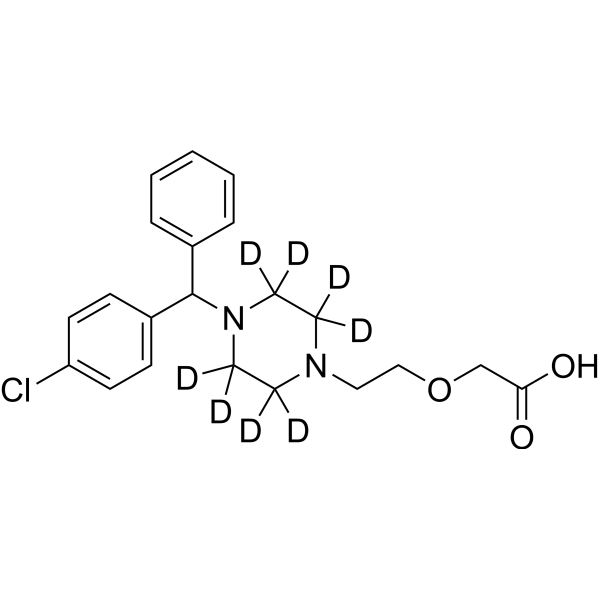 0 ImagesCat. No.: HY-17042S1CAS No.: 774596-22-4Cetirizine-d8 is a deuterium labeled Cetirizine. Cetirizine, a second-generation antihistamine and the carboxylated metabolite of hydroxyzine, is a specific, orally active and long-acting histamine H1-receptor antagonist. Cetirizine marks antiallergic properties and inhibits eosinophil chemotaxis during the allergic response.
-
Toreforant
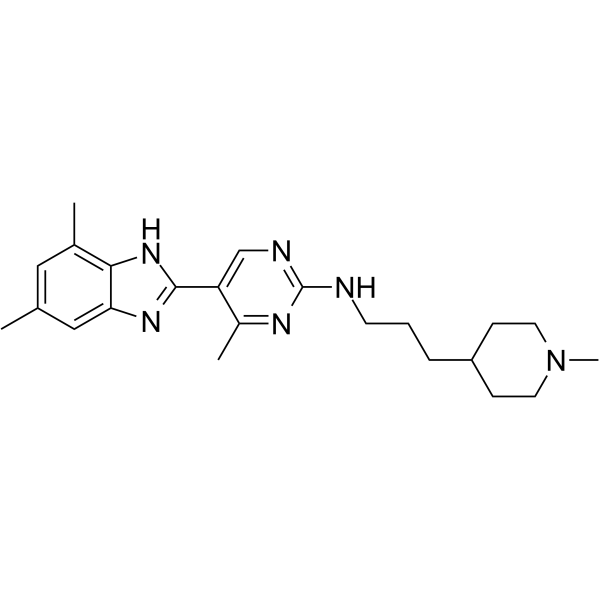 0 ImagesCat. No.: HY-16756CAS No.: 952494-46-1Synonyms: JNJ-38518168Toreforant is a potent and selective histamine H4 receptor (H4R) antagonist, with a Ki at the human receptor of 8.4 nM.
-
Azatadine dimaleate
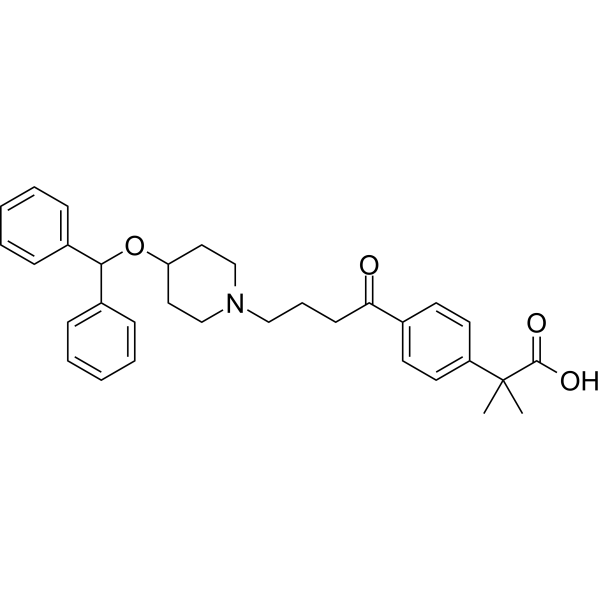
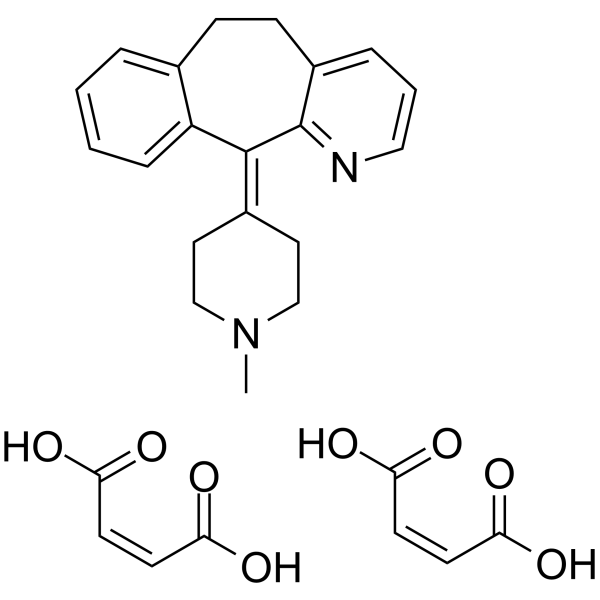 0 ImagesAzatadine dimaleate (Azatadine maleate) is an orally active histamine H1 receptor inhibitor, cetylcholine receptor inhibitor, and serotonin receptor inhibitor. Azatadine dimaleate induces sedation and exhibits topical anesthetic properties. Azatadine dimaleate can be used for the research of allergic rhinitis.
-
JNJ10191584
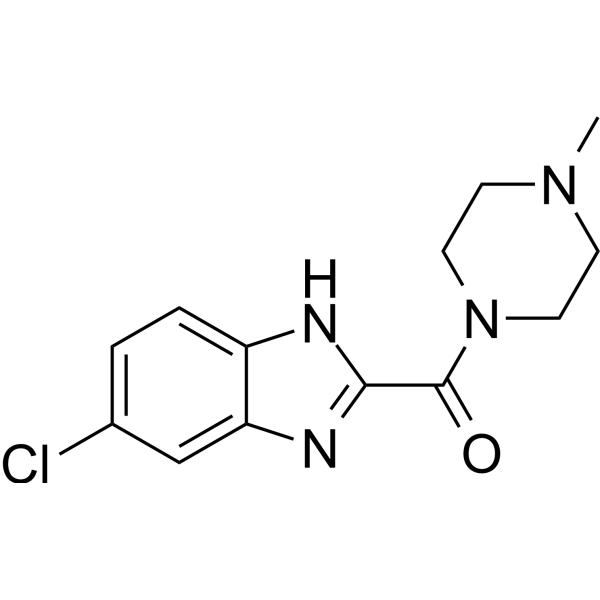 0 ImagesSynonyms: VUF6002JNJ10191584 (VUF6002) is an orally active and selective histamine H4 receptor antagonist with a Ki value of 26 nM. JNJ10191584 shows 540-fold selectivity to H4 receptor over H3 receptor with a Ki value of 14.1 μM. JNJ10191584 inhibits chemotaxis of eosinophils and mast cells with IC50 values of 530 nM and 138 nM, respectively.
-
Betazole
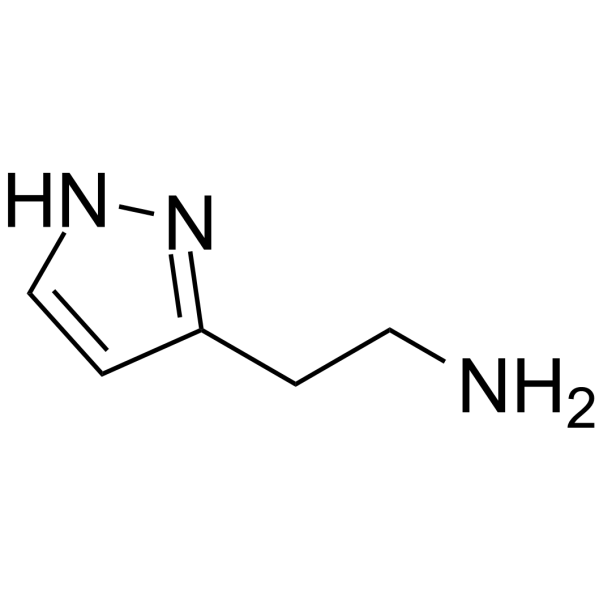 0 ImagesBetazole (Ametazole), a pyrazole analogue of histamine, is an orally active histamine H2 receptor agonist. Betazole induces gastric acid secretion and causes an immediate and significant increase in common bile duct pressure. Betazole is used as a diagnostic agent known as histalog for investigating gastric acid secretory capacity.
-
Histamine dihydrochloride (Standard)
 0 ImagesHistamine dihydrochloride (Standard) is the analytical standard of Histamine dihydrochloride (HY-B0722). This product is intended for research and analytical applications. Histamine dihydrochloride is the agonist for histamine receptor and a vasodilator. Histamine dihydrochloride is an organic nitrogen compound that participates in local immune responses, regulates intestinal physiological functions, and acts as a neurotransmitter. Histamine dihydrochloride affects p38 MAPK/Akt signaling pathway, exhibits antitumor, antioxidant and anti-inflammatory activities. Histamine dihydrochloride can be used in the research of acute myeloid leukemia, malignant melanoma, and renal cell carcinoma.
-
Levocetirizine dihydrochloride (Standard)
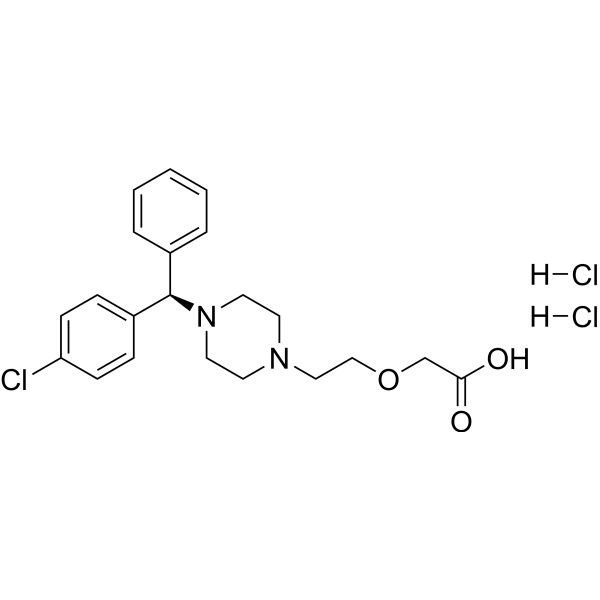 0 ImagesSynonyms: (R)-Cetirizine dihydrochloride (Standard)Levocetirizine (dihydrochloride) (Standard) is the analytical standard of Levocetirizine (dihydrochloride). This product is intended for research and analytical applications. Levocetirizine dihydrochloride ((R)-Cetirizine dihydrochloride) is a third-generation peripheral H1-receptor antagonist. Levocetirizine dihydrochloride is an antihistaminic agent which is the R-enantiomer of Cetirizine. Levocetirizine dihydrochloride has a higher affinity for the histamine H1-receptor than (S)-Cetirizine and can effectively treat allergic rhinitis and chronic idiopathic urticaria.
-
Thioperamide maleate
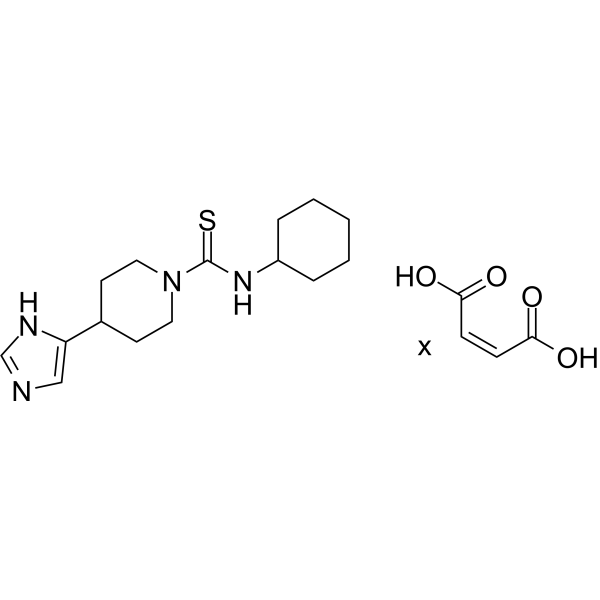 0 ImagesSynonyms: MR-12842 maleateThioperamide maleate (MR-12842 maleate) is a potent, orally available, brain penetrant and selective H3 receptor antagonist with a Ki of 4.3 nM for inhibition of [3H]histamine release. Thioperamide maleate inhibits [3H]histamine synthesis with a Ki of 31 nM.
-
Niperotidine
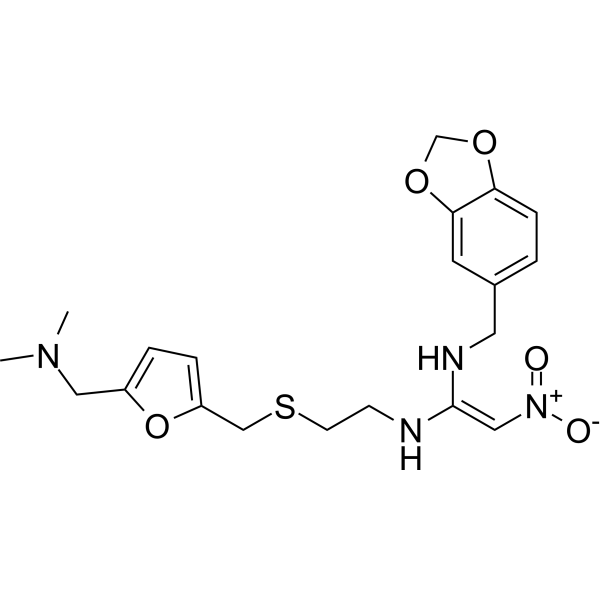 0 ImagesNiperotidine is a histamine H2-receptor antagonist.
-
AVN-101 hydrochloride
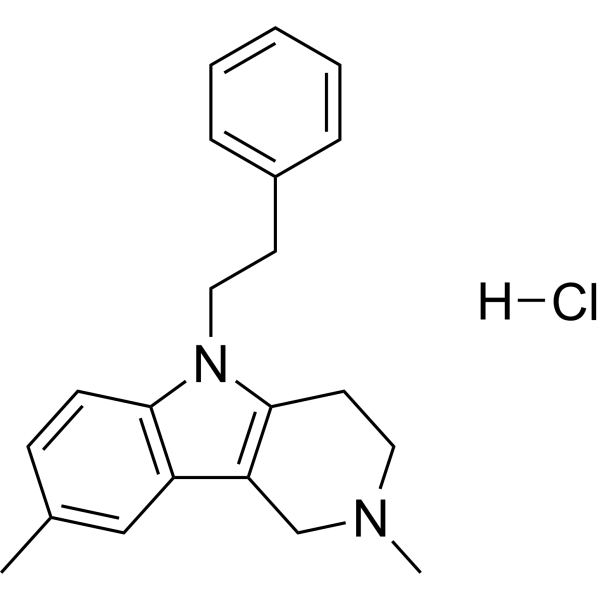 0 ImagesAVN-101 hydrochloride is a potent, brain-penetrant and orally active 5-HT7 receptor antagonist (Ki of 153 pM), with slightly lesser potency toward 5-HT6, 5-HT2A, and 5HT-2C receptors (Ki values of 2.04 nM, 1.56 nM, and 1.17 nM, respectively). AVN-101 hydrochloride also exhibits a rather high affinity toward histamine H1 (Ki of 0.58 nM) and adrenergic α2A, α2B, and α2C (Ki= 0.41-3.6 nM) receptors. AVN-101 hydrochloride can be studied in such diseases as general anxiety disorders, depression, schizophrenia, Alzheimer’s disease, and multiple sclerosis.
-
Levomepromazine maleate
 0 ImagesSynonyms: Methotrimeprazine maleateLevomepromazine maleate (Methotrimeprazine maleate) is an orally active antipsychotic compound and Ca2+ release inducer. Levomepromazine maleate inhibits SERCA pump and induces an increase in cytoplasmic Ca2+ levels. Levomepromazine maleate has antagonistic effects on a variety of neurotransmitter receptors, including dopamine, cholinergic, serotonin, and histamine receptors. Levomepromazine maleate can induce adaptive ER stress and autophagy. In addition, Levomepromazine maleate has antiviral, anti-inflammatory, neuroprotective and analgesic, sedative and anti-injurious activities. Levomepromazine maleate can be used in the study psychiatric disorders and relieving nausea and vomiting.
-
Loratadine-d5
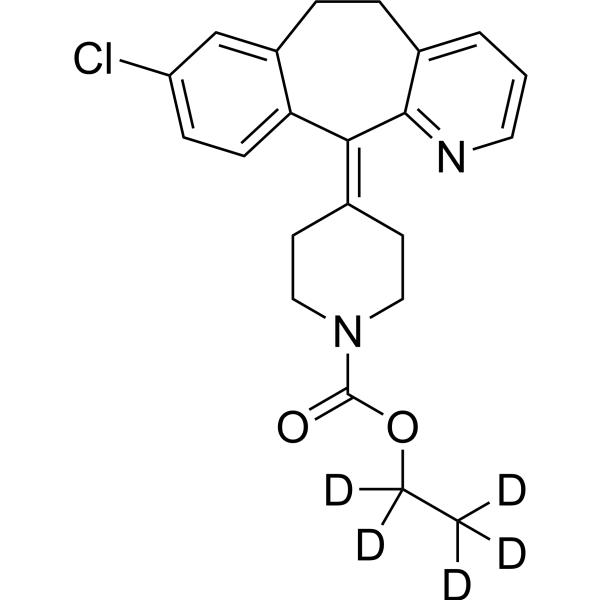 0 ImagesSynonyms: Loratidine-d5; SCH 29851-d5Loratadine-d5 is the deuterium labeled Loratadine. Loratadine (SCH-29851) is a selective inverse peripheral histamine H1-receptor agonist with an IC50 of >32 μM. Loratadine has anti-dengue-virus (DENV) activity. Loratadine can inhibit immunologic release of inflammatory mediators.
-
Undecane
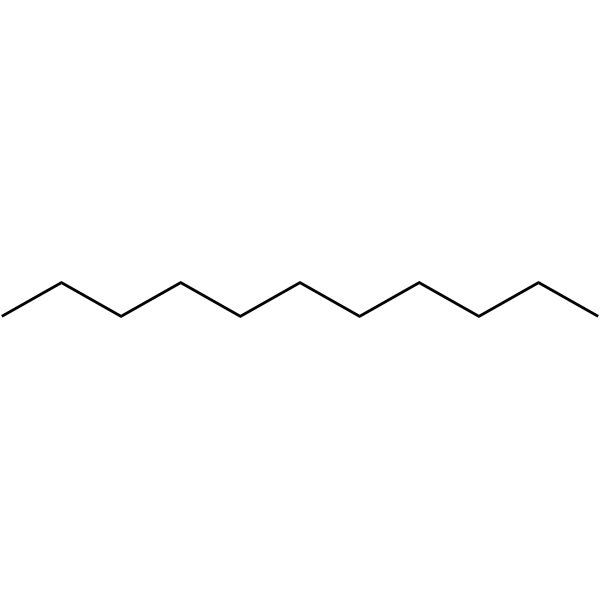 0 ImagesUndecane is a potent cAMP agonist with anti-allergic and anti-inflammatory activities. Undecane inhibits degranulation and the secretion of histamine and TNF-α. Undecane reverses the increased levels of p38 phosphorylation, NF-κB transcriptional activity and target cytokine/chemokine genes, including thymus and activation-regulated chemokine (TARC), macrophage-derived chemokine (MDC) and interleukin-8 (IL-8). Undecane can be used for the study of skin inflammatory disorders, such as atopic dermatitis.
-
Levodropropizine
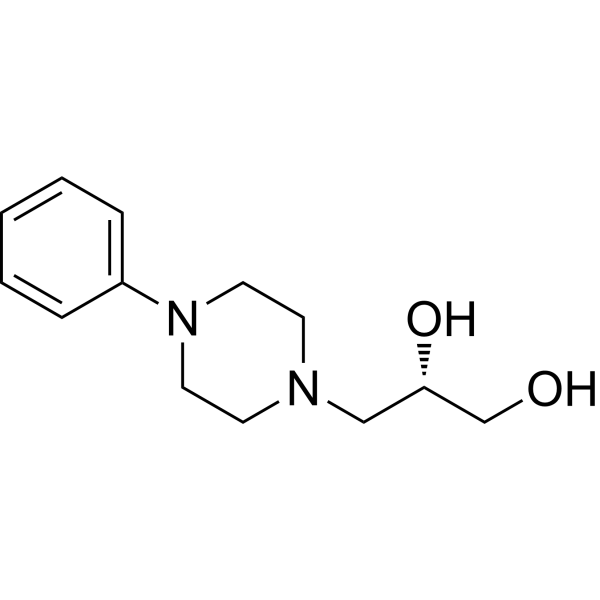 0 ImagesSynonyms: (S)-(-)-Dropropizine; DF-526Levodropropizine (DF-526) is an orally active histamine receptor inhibitor, Levodropropizine is an effective and very well tolerated peripheral antitussive agent.
-
Azelastine
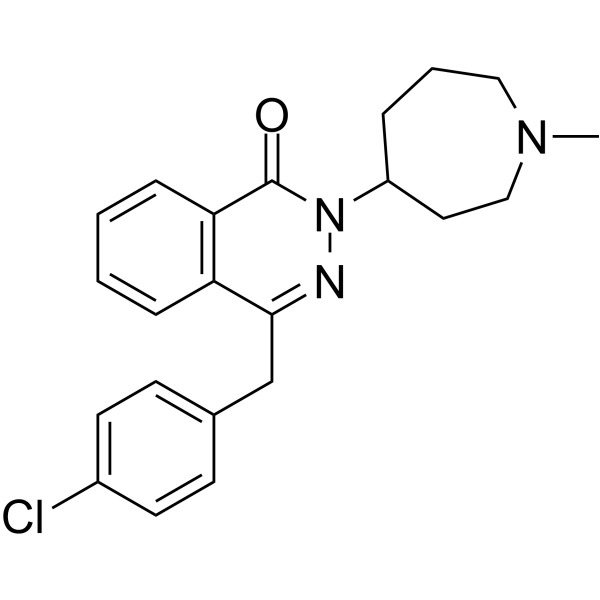 0 ImagesAzelastine, an antihistamine, is a potent and selective histamine 1 (H1) antagonist. Azelastine can be used for the research of allergic rhinitis, asthma, diabetic hyperlipidemic and SARS-CoV-2.

-
Quinotolast sodium
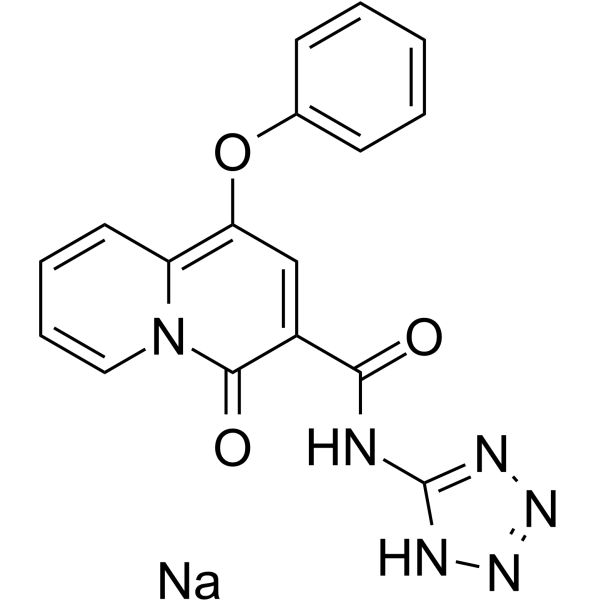 0 ImagesSynonyms: FR71021Quinotolast sodium in the concentration range of 1-100 μg/mL inhibits histamine, LTC4 and PGD2 release in a concentration-dependent manner.
-
Marmin
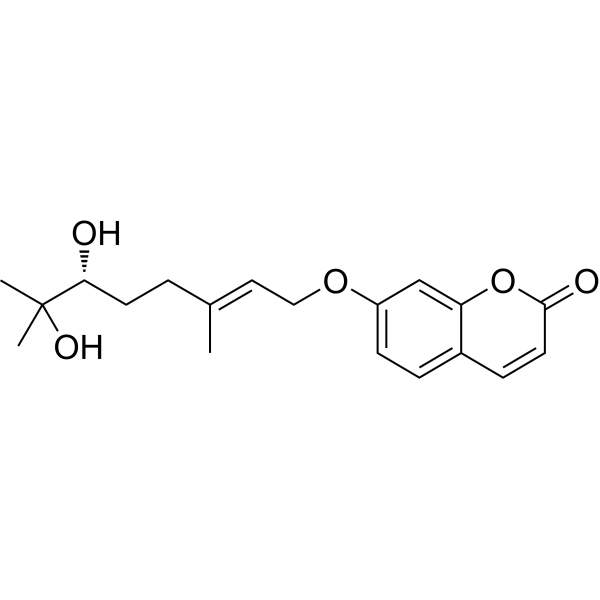 0 ImagesMarmin is a histamine receptor inhibitor and tracheal smooth muscle relaxant. Marmin antagonizes histamine- and methacholine-induced contraction of tracheal smooth muscle. Marmin inhibits histamine release from mast cells, and also blocks extracellular calcium influx via voltage-dependent calcium channels as well as calcium release from intracellular calcium stores, thereby effectively inhibiting calcium-mediated smooth muscle contraction. Marmin slightly enhances the relaxant effect of isoprenaline, and induces epithelial-dependent tracheal smooth muscle relaxation independent of nitric oxide, cGMP or β2-adrenergic pathways through the release of prostaglandin E2.




